

I still remember the very first time I watched a jackpot ticker climb in real time. The numbers moved so fast I could barely track them, and I realized I had no idea what actually triggered the payout. That confusion is exactly why I put this guide together. I want to walk you through how casino jackpots really work, what separates the different types, and what you should actually pay attention to before you start playing. By the time you finish reading, you will have a practical framework for understanding jackpot games without the marketing fluff that usually obscures the topic.
What a Jackpot Truly Represents in Virtual Casinos
At its core, a jackpot is the biggest single prize a game can give. In a land-based casino, you might picture a row of sevens lining up on a slot machine. Online, the concept gets more nuanced. A jackpot can be a fixed amount that never changes, or it can be a shared prize that grows with every bet placed across a network of players. The key differentiation is whether the prize is static or dynamic. Understanding that difference affects every decision you make afterward, from which games you select to how you handle your bankroll.
I think that many players conflate any large win with a jackpot, but the industry draws a more precise boundary. A standard win from a high-paying symbol combination is not a jackpot unless the game explicitly labels it as one. Jackpots usually reside in a distinct prize level above the regular paytable. They often necessitate specific conditions, such as hitting a particular combination of symbols, activating a bonus round, or hitting a randomly generated trigger that has nothing to do with the reels you see. That randomness is a characteristic, not a flaw, and I will elaborate on why later.
What makes jackpots really compelling from a player perspective is how they change the risk-reward profile of a game. A slot with a enormous progressive reward might reduce its regular payouts to support that top tier. You are essentially trading common small victories for a far-off opportunity at a transformative amount. I have observed players sit for hours without a major win, entirely fixated on that increasing figure at the top of the screen. That trade-off is neither good nor bad, but you need to acknowledge it before you commit your funds.
On platforms like Betride Casino, jackpot games are placed next to thousands of other titles, and the interface usually allows you to sort specifically for jackpot slots or table games with progressive side bets. That filtering capability matters because it prevents you from searching through endless lobbies. The jackpot section is where you will locate the games I am about to detail, each with its own systems, volatility profile, and theoretical return percentage. Recognizing what you are seeing before you click is a significant advantage.
Casino Advantage and Return-to-Player Factors for Jackpot Games
Any casino game has a built-in advantage for the house, and jackpot games are no exception. What makes complex the picture is that the listed return-to-player percentage for a progressive slot often incorporates the jackpot contribution in its calculation. A game showing 96 percent RTP might in reality return significantly less in regular gameplay, with the difference only made up when someone eventually wins the progressive prize. If you are not the one landing that top tier, your personal return could be substantially lower than the theoretical figure.
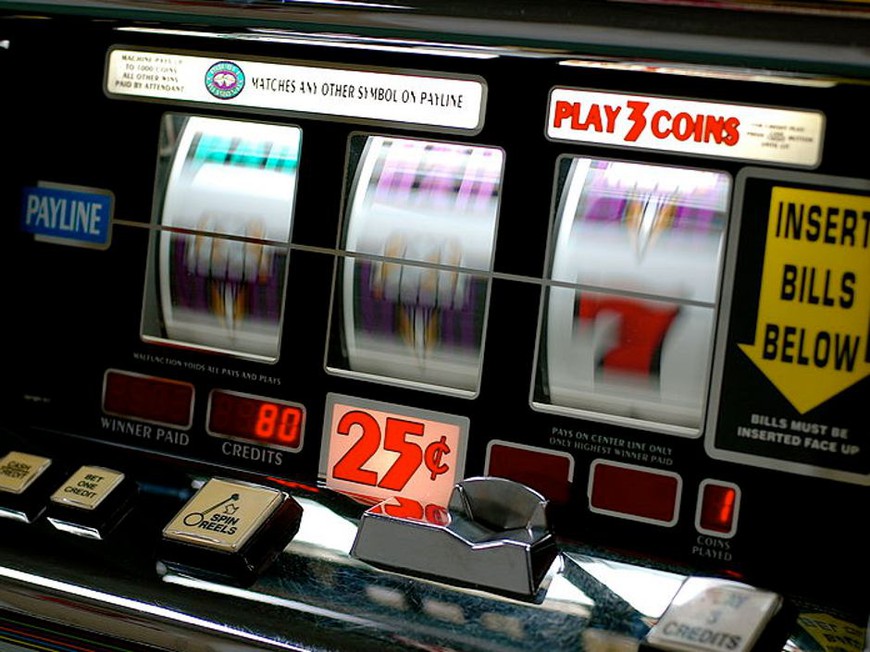
I tackle jackpot games with the mindset that the base game RTP, excluding the progressive contribution, is the number that is relevant for session planning. Some providers share this breakdown; others do not. When the information is accessible, I look for base game RTPs above 94 percent as a reasonable benchmark. Below that threshold, the cost of chasing the jackpot starts to eat into your bankroll faster than I deem comfortable for extended play. This is not a strict rule, but it is a practical filter I use when assessing which jackpot titles warrant my time and money.
Fixed jackpot games are more direct in this regard because the top prize is already built into the math model without the need for ongoing contributions. The RTP you see is the RTP you get across all prize tiers, including the jackpot. That transparency makes fixed jackpots appealing if you prefer knowing exactly what the game’s long-term payout structure entails. The trade-off, of course, is that the top prize will never reach the eye-watering sums that progressives can accumulate.
One factor that does not get enough attention is jackpot fatigue, which is my term for the situation where a progressive jackpot grows so large that the effective RTP temporarily shifts in the player’s favor. The math here is subtle, but in simple terms, when the jackpot exceeds a certain threshold, the expected value of each spin can theoretically become positive. In practice, the threshold is typically astronomically high, and you are still competing against every other player for that single payout. I bring up this not as a strategy recommendation but as a conceptual point that shows how dynamic progressive math can be.
Types of Games That Feature Jackpots
Slot Games as the Main Jackpot Vehicle
Slots lead the jackpot scene to such an level that many players seldom find jackpots anywhere else. The reason is built-in: slot games can readily support the contribution mechanics and qualifying requirements that jackpots require. Providers like NetEnt, Microgaming, and Playtech have created entire series around progressive jackpot slots, with games that have become well-known names among casino gamblers. These games commonly have five reels, multiple paylines, and a distinct visual style that separates the jackpot from standard wins.
What I observe about jackpot slots is how the graphical and audio composition amplifies as the jackpot grows. Many games modify their background music, introduce pulsing borders, or show the current jackpot amount more visibly as the reward climbs. This is intentional psychological engineering designed to heighten expectation, and it is effective. I have sensed my own pulse race watching a jackpot ticker pass a major milestone. Recognizing that this is a crafted sensation helps me remain centered in the actual mathematics rather than getting swept up in the spectacle.
The range of jackpot slots is impressive. You can discover classic three-reel progressives with a single payline, elaborate video slots with multiple bonus features and jackpot tiers, and even Megaways titles where the number of ways to win changes with every spin. Each format offers different volatility characteristics. The classic three-reel progressives tend to be high-volatility with infrequent but potentially large payouts, while the multi-tiered video slots distribute the jackpot risk across several prize levels for more frequent engagement.
Table Game Options and Their Jackpot Variants
Table-based games with jackpots work on a different model. Instead of contributing a percentage of every bet to a progressive pool, these games typically require an optional side bet that qualifies you for the jackpot. Caribbean Stud Poker, for example, often includes a progressive side bet that pays out based on the strength of your hand, with the top prize reserved for a royal flush. The side bet is separate from your main wager, and its RTP is usually lower than the base game, which is something I always take into account in my decision to opt in.
Blackjack has also embraced the jackpot concept through side bets like 21+3 or Perfect Pairs that can tie into progressive pools. You make your main blackjack bet as normal, then add a small side wager that makes you eligible for additional payouts based on your first two cards and the dealer’s upcard. The jackpot tier generally requires a very specific combination, such as three suited sevens. These side bets add excitement but also increase the overall house edge on your total wager, so I view them as an occasional spice rather than a core strategy.
Roulette jackpots are less common but do exist, typically through a separate progressive bet or a special jackpot pocket on the wheel. Some live dealer roulette tables include a random multiplier that can boost straight-up bet payouts to jackpot levels. These are not traditional progressive jackpots in the pooled sense, but they serve a similar function of offering outsized payouts beyond the standard odds. The key detail to check is whether the jackpot feature affects the standard roulette odds or functions as an independent layer on top of the regular game.
Real-time Casino and Game Show Jackpot Integration
Real-time casino games have progressed to integrate jackpot mechanics in manners that blend physical and digital aspects. A live dealer rotates a physical wheel or deals real cards while a computer system tracks jackpot inputs and activates. Games like Dream Catcher or Crazy Time contain multiplier parts that can compound wins to jackpot-like proportions, and some versions connect these multipliers to progressive pots that expand across multiple tables and operators.
What sets apart live jackpot games from their purely digital equivalents is the similarweb.com social factor. You can watch other players putting bets, watch the dealer interact to big wins, and engage in a shared experience that appears closer to a land-based casino. The trade-off is that live games usually function at a slower rate than automated slots, which affects how fast the jackpot pool expands and how many bets you make per hour. I factor this pace discrepancy into my session planning because it directly influences your total wagering volume and the rate at which you move through your bankroll.
The system behind live jackpot setup is deserving of understanding briefly. A central server controls the progressive pool, gathering contribution data from every table and studio that offers the game. When a player triggers the jackpot, the server confirms the outcome, refreshes the display across all connected tables, and begins the reset process. This occurs in seconds, but the underlying coordination is substantial. For you as a player, the experience is seamless: you put your bet, the dealer does their job, and if you win, the system manages everything automatically.
What Separates One Jackpot Platform from Another
With numerous online casinos offering jackpot games, the differences between platforms can feel subtle at first. I have discovered to look beyond the surface and assess several key factors that really distinguish one operator from another. Game selection breadth is the most apparent starting point. A casino that hosts jackpot titles from multiple providers provides you with access to diverse progressive pools, trigger mechanics, and volatility profiles, which is important if you prefer variety rather than going through the same few games repeatedly.
The user interface layer that encompasses the games is equally important. How easy is it to find jackpot games? Does the lobby let you filter by jackpot type, current prize size, or provider? Can you see the current progressive amounts before you start a game? These navigational details affect your daily experience far more than the casino’s marketing promises. I prefer platforms that keep jackpot information transparent and accessible rather than burying it behind multiple clicks.
Customer support responsiveness turns critical when jackpot wins are involved. A platform that delivers 24/7 live chat with knowledgeable agents offers you a direct line to handle any payout questions or verification issues. Email-only support with a 48-hour response window is less comforting when you are awaiting a six-figure withdrawal. I check support channels with a few pre-deposit questions to measure response times and agent competence before I entrust significant funds to any jackpot platform.
Promotional terms also differ significantly between operators and warrant careful reading. Some casinos exclude jackpot games from bonus wagering requirements entirely, meaning you cannot meet a welcome bonus by playing progressive slots. Others permit it but at a reduced contribution rate, for instance ten percent instead of one hundred percent. These restrictions are not necessarily dealbreakers, but you have to know about them before you take a bonus. I always access the full promotional terms and search for any mention of jackpot game eligibility before I opt in.
Trigger Systems That Determine When You Win
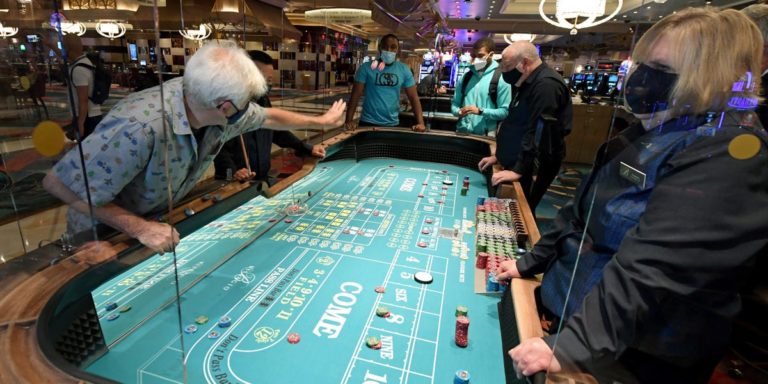
The method a jackpot actually triggers is the part I find the majority of players get wrong. There exists no single universal method. Different games use completely different trigger mechanics, and recognizing which one pertains to your chosen title avoids confusion and disappointment. The three broad categories I encounter most commonly are symbol-based triggers, random triggers, and bonus-round triggers. Every one has distinct implications for how you ought to approach the game.
Symbol-based activations are the most classic. You need to land a specific combination of symbols on a payline or in a designated pattern to secure the jackpot. Typically this means occupying the full screen with the highest-value symbol or achieving a special jackpot symbol across a particular payline. The caveat is that many progressive slots necessitate you playing at maximum bet or activate all paylines to qualify for the top prize. I cannot highlight enough how important it is to verify this requirement prior to spinning. Wagering below the qualifying threshold could still allow you to win regular payouts, but the jackpot will be unattainable.
Random mechanisms operate differently. The game’s system includes a random number generator that can award the jackpot on any spin, regardless of the symbol combination that appears. You could spin and observe nothing remarkable on the reels, then all of a sudden a pop-up announces you have won the progressive prize. These mechanisms often have a higher probability of occurring when your bet size is larger, although the precise relationship varies by game. The chance element adds an element of unpredictability that certain players adore and others find frustrating because you cannot visually monitor your progress toward the goal.
Bonus-round triggers require you to first access a special feature, usually by hitting scatter symbols, and then complete a task within that feature to win the jackpot. The task could involve choosing from hidden objects, activating a separate jackpot wheel, or moving through multiple levels of a mini-game. This design gives you a tangible sense of agency, even though the outcomes are still determined by random number generation. I enjoy these games because they turn the jackpot chase into a more interactive experience rather than a purely passive wait for the right symbols.
Transaction Types and Their Significance for Progressive Winners
When you hit a jackpot, receiving your winnings is the only thing that matters. The transaction options a casino offers directly affect how swiftly and smoothly you can retrieve your funds. On a platform like Betride Casino, you will typically find a selection of options including credit and debit cards, e-wallets, bank transfers, and progressively cryptocurrency. Each method has its own processing timeline, limits, and identity checks that become highly significant when dealing with large jackpot sums.
E-wallets typically offer the fastest withdrawal speeds for jackpot winnings, often processing within 24 hours once the casino authorizes the payout. Services like Skrill, Neteller, and PayPal have become typical in the industry due to the fact that they shorten the waiting period. Bank transfers, by contrast, can take three to five business days or longer, notably for international transactions involving currency conversion. I invariably recommend checking the casino’s declared durations for each method before you play, because the thrill of a big win can quickly sour if you experience unexpected delays.
Withdrawal limits are a further critical factor that jackpot players must take into account. Some casinos restrict the amount you can withdraw per week or per month, which means a massive progressive win might be paid out in installments over an lengthy period. This is not necessarily a red flag; many operators arrange payouts this way for liquidity management. But you should know about these limits in advance. The terms and conditions section of the casino’s website will detail any applicable caps, and I make a habit of reading that section before I deposit.
Verification procedures become stricter when jackpot amounts are involved. Expect to provide proof of identity, address, and payment method ownership before a large withdrawal is processed. This is normal anti-money-laundering practice and not a tactic to delay payment. Having your documents ready in advance expedites the process considerably. I store scanned copies of my passport, a recent utility bill, and a screenshot of my e-wallet account details so I can react immediately when the verification team contacts.
Licensing requirements, Protection, and Equity in Jackpot prize Systems
The trustworthiness of a jackpot system is wholly reliant on the regulatory framework that supervises it. Reputable online casinos run under licenses awarded by established gambling authorities that mandate regular audits of game fairness, including jackpot mechanics. These audits validate that the random number generators are truly random, that the contribution rates align with what is advertised, and that jackpot payouts take place according to the stated rules. Without this oversight, you are putting faith https://en.wikipedia.org/wiki/Playmobil in a black box, and I would never recommend that.
Independent testing laboratories like eCOGRA, iTech Labs, and GLI provide an additional layer of verification. Their certification seals demonstrate that a game’s software has been evaluated for fairness and that the operator’s systems meet technical standards. When I evaluate a jackpot game, I search for these certifications on either the casino’s website or within the game’s information panel. Their presence does not ensure you will win, but it ensures that the game operates as described and that the jackpot is not being rigged.
Data security is just as crucial because jackpot play involves financial transactions and personal information. Encryption protocols, namely TLS 1.2 or higher, safeguard your data as it transfers between your device and the casino’s servers. Payment information should be tokenized or processed by PCI-compliant processors. These technical details might appear dull, but they are the foundation that allows you focus on the game instead of fretting over whether your funds and identity are safe.
Responsible gambling tools also play a role in the security picture. Jackpot games, with their enticing prize displays and intermittent reinforcement schedules, can encourage extended play sessions that exceed your intended limits. Deposit limits, session timers, and reality checks are features I regularly utilize and advocate for. A well-licensed casino will make these tools readily available and will honor the limits you set without question. The presence of robust responsible gambling features indicates an operator that values player welfare over short-term revenue.
Static Jackpots Compared to Progressive Jackpots
The difference between set and progressive jackpots is the most basic concept you need to grasp. A set jackpot is precisely what it seems: a set prize amount that never changes no matter how many people play or how much they wager. If a game advertises a 5,000-coin jackpot, that number stays constant. You are aware of exactly what you could win, and the game’s math model considers that payout without taking contributions from every bet to supply a growing pool.
Growing jackpots operate on an entirely different concept. Whenever someone makes a qualifying bet, betridecasino online sportsbook, a small fraction of that wager is added to the jackpot pool. The prize grows constantly until one lucky player triggers the payout, at which point it returns to a starting seed amount and begins rising again. I have seen progressives begin at a few thousand and grow into seven-figure territory over weeks or months. The speed of growth relies on the number of players contributing and the contribution rate set by the game provider.
From a practical standpoint, set jackpots usually pay out more often because the prize is smaller and the game does not have to collect contributions. Progressives can go months without paying out, especially the wide-area network ones that tie hundreds of casinos. That does not mean they are inferior; it simply means your expectations around hit frequency must be adjusted appropriately. I always recommend checking the game’s information panel for information on the current jackpot size, the seed value it returns to, and any bet conditions to get the top prize.
One detail I wish to emphasize is that some games offer multiple growing tiers, often labeled Mini, Minor, Major, and Grand. Each tier has its own pool and activates at different intervals. The Mini might award a few dozen times your stake and trigger regularly, while the Grand could be a six-figure sum that triggers once in a blue moon. This tiered approach gives you more consistent jackpot engagement without needing just the least frequent outcome. It is a ingenious design choice that keeps sessions interesting, and you will encounter it often in modern jackpot slots.
Mobile Play and the Jackpot Adventure on Mobile Devices
The move to mobile gaming has changed how players engage with jackpot titles. Modern jackpot slots are developed with mobile-first design principles, meaning the interface adapts cleanly to smaller screens without compromising the features that make jackpot play thrilling. The progressive ticker stays visible, the spin button remains accessible, and the bonus rounds adapt appropriately. I have played jackpot slots on devices spanning large tablets to compact smartphones, and the experience is consistently smooth when the casino uses up-to-date software.
What I pay attention to on mobile is whether the jackpot information is clearly visible without requiring extra taps or menu navigation. The best setups keep the current jackpot amount placed at the top of the screen so you can watch it update in real time as you play. Less polished mobile versions might hide the jackpot value in a submenu, which disrupts the immersive connection between your spins and the growing prize. This is a small detail, but it significantly affects how connected you feel during a session.
Touchscreen controls introduce some specific aspects for jackpot games. The risk of accidental max-bet presses is more significant on a touchscreen than with a mouse, and if a game demands maximum bet to qualify for the jackpot, an unintended tap could spend more funds than you intended. I always confirm my bet settings before I start spinning on mobile, and I use any available bet confirmation features. A moment of caution avoids the frustration of discovering you have been playing for a jackpot you were not actually eligible to win.
Browser-based mobile play has mostly replaced downloadable casino apps for jackpot games, which streamlines things considerably. You do not have to install anything; the games run directly in your mobile browser using HTML5 technology. This implies the same jackpot pools, game mechanics, and account features are present whether you are on desktop or mobile. The only element is your internet connection quality, which I address by relying on stable Wi-Fi when playing jackpot games to avoid disconnections during critical bonus rounds.
How Progressive Jackpot Pools Actually Grow
The workings behind progressive jackpot growth is more straightforward than most people believe, but the details are important for anyone attempting to understand where their money goes. Each game features a contribution rate, typically between one and five percent of every bet, that gets diverted to the jackpot pool. The remaining percentage still funds regular payouts in line with the game’s return-to-player percentage. So if a slot boasts a theoretical RTP of 96 percent and a jackpot contribution of two percent, the base game effectively returns 94 percent with the extra two percent fueling the progressive prize.
Network progressives extend this concept and expand it dramatically. Instead of a single casino’s players adding, every operator that features the game feeds the same pool. A player in one country making a one-euro bet participates alongside someone betting in a completely different currency. The provider takes care of currency conversion and pool management behind the scenes. This networked approach is why some jackpots climb by tens of thousands of euros in a single day during peak playing hours.
I pay close attention to the seed amount, which is the guaranteed minimum the jackpot resets to after someone wins. Providers cover this seed, not players. A higher seed implies the jackpot never falls to an uninteresting level, but it also means the contribution rate might be slightly lower to balance out the provider’s cost. You can usually find both the current jackpot value and the seed amount in the game’s paytable or rules section. Evaluating these numbers across different jackpot titles provides you with a sense of how aggressively each game accumulates its top prize.
What I consider particularly useful is monitoring jackpot growth over a few days before playing. Some jackpots exhibit predictable patterns based on weekend traffic spikes or major sporting events that drive casino visits. While past growth does not guarantee when a jackpot will hit, understanding the rhythm of contributions enables you gauge whether a prize is in a typical range or has climbed unusually high. An abnormally large jackpot compared to its seed often suggests it has gone longer than average without paying out, which some players see as an opportunity, though the math is still random.
Practical Steps Before You Play Your Initial Jackpot Game
I have covered the inner workings, the math, and the platform aspects. Now I aim to offer you a concrete sequence of measures that connects everything. This is the checklist I mentally run through whenever I settle in to spin a jackpot game, and it has saved me from costly mistakes more than once. The goal is not to eliminate risk, since jackpot play always carries risk, but to ensure that the risks you assume are the ones you meant to take.
- Access the game’s details section and verify whether the jackpot requires a minimum wager, particular paylines, or an additional optional bet to be eligible.
- Examine the latest jackpot total and compare it to the initial amount to understand how far the prize has risen beyond its base level.
- Review the casino’s payout caps and handling times for your chosen payment method, notably if you are gambling for a progressive jackpot that might surpass usual maximums.
- Verify that your account verification papers are valid and available to provide, since large withdrawals will trigger identity reviews.
- Establish a session loss limit and a time cap prior to starting spinning, and enable any responsible play options the platform offers.
- Confirm whether the game contributes to any ongoing bonus playthrough conditions and at which rate, so you do not unintentionally void a promotion.
Running through these steps takes less than five minutes, but the understanding it delivers is extremely useful. You begin the game knowing exactly what you need to do to secure the jackpot, how you will be compensated if you win, and what limits protect your bankroll. That understanding lets you enjoy the real thrill of watching a jackpot ticker climb without the constant worry that you have missed a important detail. The best jackpot sessions I have had are the ones where I did my homework first and could simply concentrate on the game.
Jackpot play fills a special space in online casino gaming. It blends the mathematical precision of slot design with the emotional pull of a life-changing prize, and it does so in a way that no other casino format quite reproduces. Understanding how the different jackpot types work, what triggers them, and how platforms handle the practicalities of payouts converts the experience from blind hope into informed engagement. You do not need to be a mathematician to appreciate jackpot games, but you do need to be a attentive reader. The information is there if you look for it, and now you know exactly what to look for and why each piece matters.